Gift Obi Ngozi . 22nd Jun, 2026, 7:15 PM
Key Takeaways
. Employers increasingly value skills and experience alongside degrees.
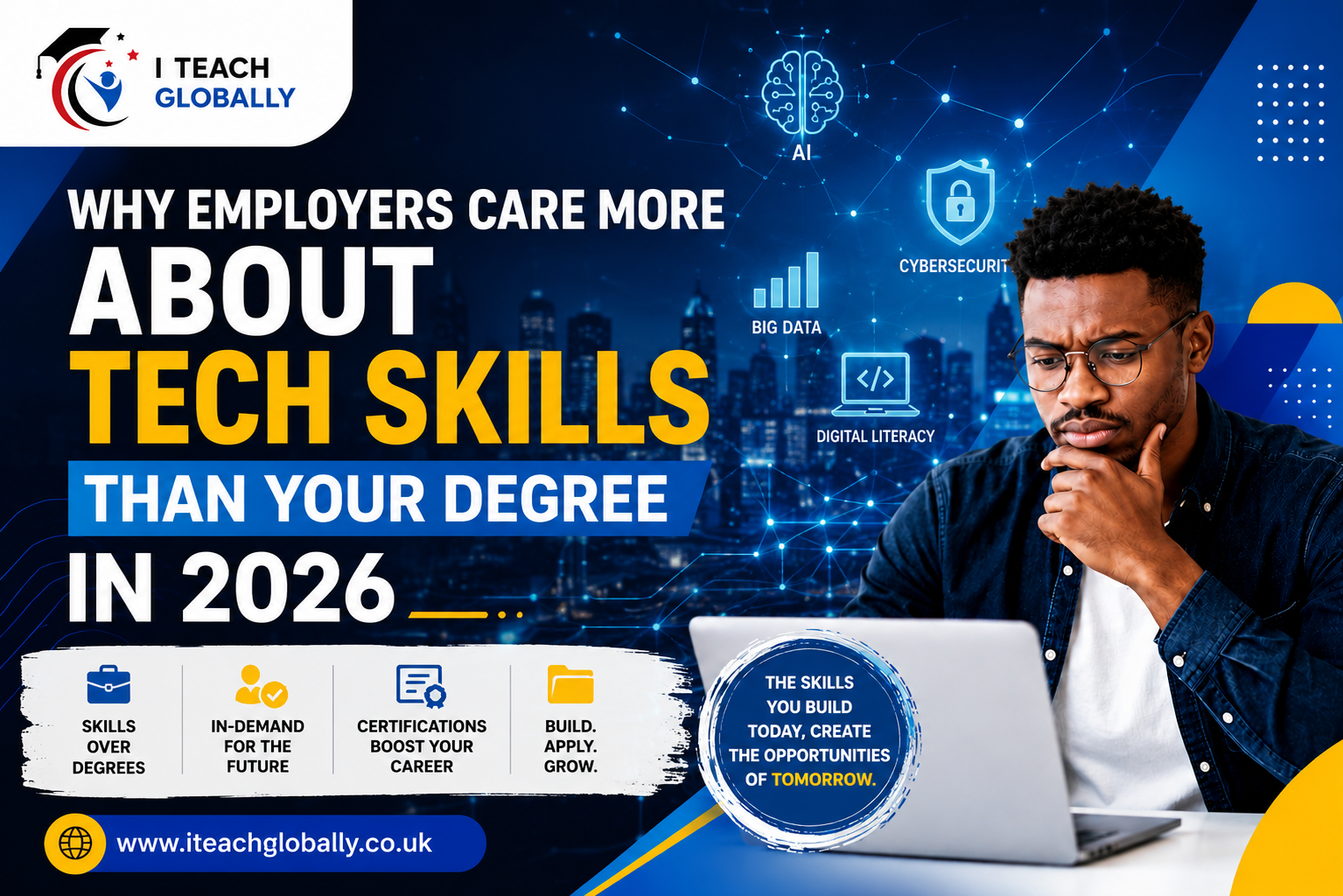
. AI, cybersecurity, big data, and digital literacy are among the most in-demand skills for the future.
. Many companies support skills-based hiring, but not all have fully adopted it.
. Building a portfolio, earning certifications, and preparing for assessments can improve your job prospects.
. Degrees remain essential in fields such as medicine, law, and engineering.
Introduction
If you're about to graduate (or you already have), you've probably been told your degree is your ticket to a good job. In 2026, that's only partially true. Skills-based hiring has moved from a corporate talking point to a standard practice, and understanding what that means for your job search could make a real difference in how fast you land a role.
The numbers tell a clear story. According to industry hiring data, 85% of employers now use skills-based hiring practices, up from 81% the previous year. Skills-based assessments are five times more predictive of job performance than education credentials alone. And over 16 U.S. states have removed degree requirements for certain government positions entirely.
| Metric | Figure |
| Employers using skills-based hiring | 85% |
| Skills-based vs. degree: job performance prediction | 5x more accurate |
| Core job skills expected to change by 2030 | 39% |
| Entry-level job postings decline since January 2024 | 29% |
Why the Degree Filter Is Losing Its Value
For decades, a four-year degree worked as a convenient hiring filter. It helped recruiters quickly narrow down large piles of resumes. The issue is that it was never a reliable indicator of actual job performance.
Many employers now recognize that a bachelor’s degree does not guarantee workplace readiness. University curricula often move slowly. A program designed five years ago may not reflect today’s tools, systems, and workflows, especially in fast-changing industries like technology, finance, and business services.
As a result, companies are shifting toward direct skills assessment. Instead of relying on academic transcripts as a proxy, they now want clear, practical evidence of what candidates can actually do.
The Skills Employers Actually Want
1. Digital Fluency and Tech Skills
Employers are no longer impressed by theory alone. They want candidates who can confidently use modern tools such as AI platforms, data tools, and digital systems in real-world scenarios.
2. Critical Thinking and Problem-Solving
Critical thinking continues to top global skills lists, including the World Economic Forum’s Future of Jobs reports. What has changed is how it is measured. Employers now test candidates using real scenarios and problem-solving tasks instead of relying on grades.
3. Emotional Intelligence and Communication
Automation is replacing routine tasks, but it cannot replace human judgment, empathy, or clear communication. These skills are now core hiring requirements, not optional extras.
4. Collaboration and Teamwork
Remote and hybrid work have made collaboration more visible and measurable. Employers now expect proof that candidates can work effectively across teams, tools, and time zones, not just claim to be “team players.”
How the Hiring Process Has Changed
The hiring process has evolved significantly. Skills assessments, portfolio reviews, and project-based interviews are now common, especially in tech, finance, and modern business roles. Companies that use structured pre-employment assessments report a 20–30% reduction in time-to-hire, according to LinkedIn and SHRM insights. This efficiency gain is one reason more employers are adopting skills-based hiring instead of traditional resume screening.
Conclusion : A degree alone will no longer open doors the way it used to. In 2026, the real question employers are asking is not “What did you study?” but “What can you actually do?”
The job market is quietly rewriting its rules, and those who adapt early will move faster, earn more opportunities, and stay relevant longer. The advantage no longer belongs to the most qualified on paper, but to the most capable in practice.
If you’re wondering where to begin building these in-demand skills, this is where structured learning becomes important.
Platforms like I Teach Globally help bridge the gap between education and employability by offering practical, career-focused training in areas employers are actively hiring for.
From Product Management, Frontend Development, Backend Development, Mobile App Development, Digital Wealth Blueprint, Teach English Online, TEFL Specialization, to Applied Generative AI, these programs are designed to equip learners with real-world, job-ready skills that match today’s global hiring standards.
Instead of waiting for opportunity, you can start building the skills that create it.
for more inquiries Visit the website www.iteachglobally.co.uk