Gift Obi Ngozi . 3rd Jun, 2026, 6:00 PM
For years, the most common advice for entering the tech industry was simple: learn to code. Students, graduates, NYSC corps members, and career switchers were told that programming was the ultimate gateway to high-paying jobs in technology. Learn a language, build projects, and get hired.
But in 2026, that path is no longer the only route to success.
The tech industry has evolved. And with the rise of Artificial Intelligence (AI), employers are beginning to value a different kind of skill — one that goes beyond writing code.

Today, the real question is no longer “Can you code?” but rather “Can you use AI to solve real problems and deliver results?”
This shift is creating one of the fastest-growing career paths in the digital economy: AI Orchestration.
What Is AI Orchestration?
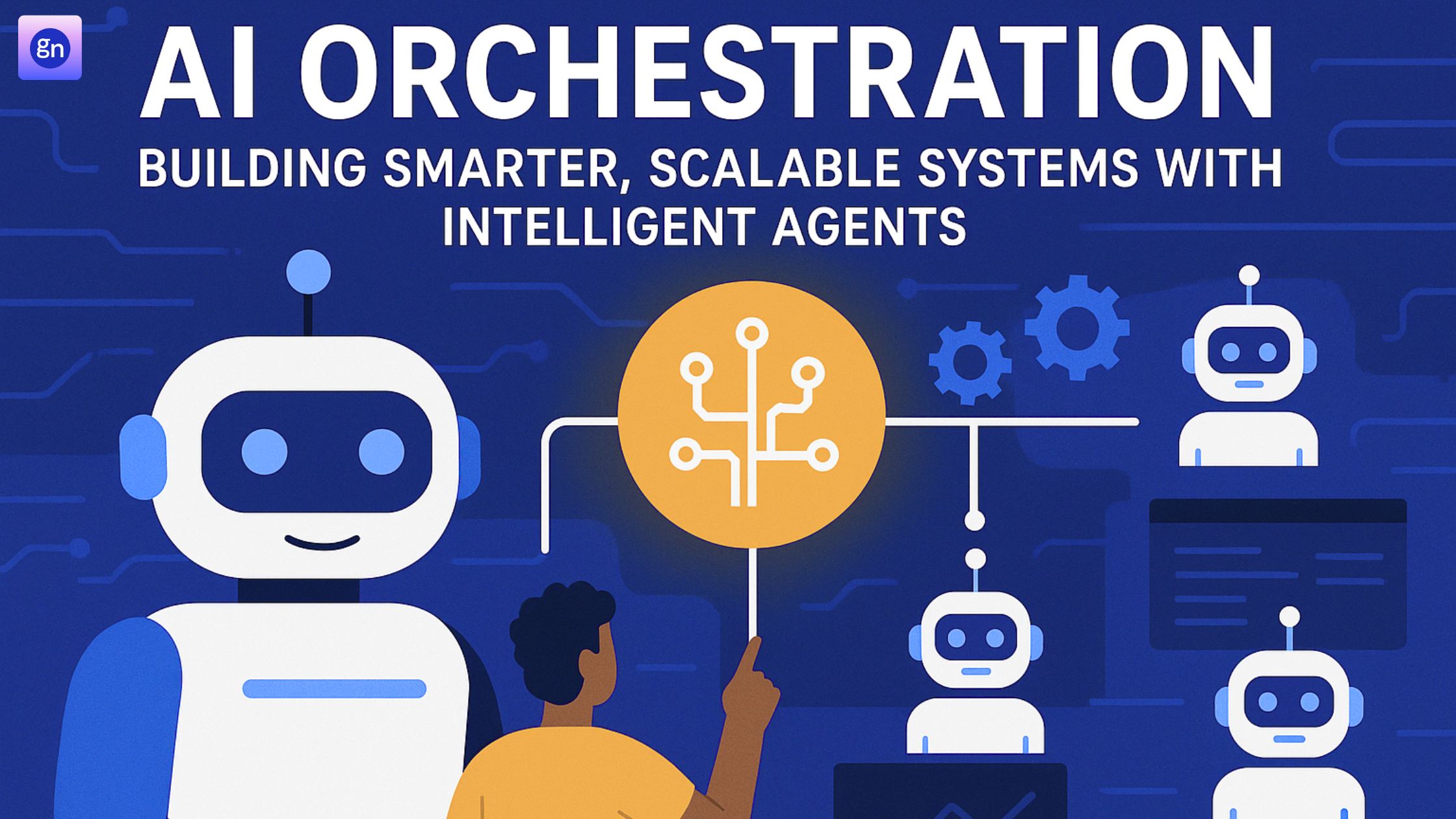
AI orchestration is the process of connecting multiple AI tools, systems, and platforms to work together as a single intelligent workflow.
In simple terms, it means making AI tools work together to automate tasks, improve productivity, and deliver business results.
Instead of using tools separately, businesses now combine:
. Large Language Models (LLMs)
. Automation platforms
. Data systems
. Business applications
All working together as one system.
This allows companies to reduce manual work, improve efficiency, and make faster decisions.
AI orchestration is now being used across industries such as:
. Healthcare
. Finance
. Education
. E-commerce
. Customer service
As a result, demand for AI-related roles and automation skills continues to grow rapidly in 2026.
Why AI Orchestration Is Becoming a Game Changer
Modern businesses are no longer interested in isolated tools. They want integrated systems that solve real problems.
AI orchestration helps organizations:
. Automate repetitive tasks
. Improve decision-making speed
. Reduce operational costs
. Increase productivity
. Scale business processes efficiently
For example, a business can now use AI to:
Respond to customer messages automatically
. Generate reports in seconds
. Manage marketing campaigns
. Analyze customer behavior
. Streamline internal operations
Tasks that once required multiple employees can now be handled by well designed AI workflows.
This is why AI automation and AI-powered systems are becoming essential in today’s workforce.
The Skills Employers Are Looking For in 2026
While many people are still focused only on coding, employers are increasingly searching for professionals who can:
. Design effective AI prompts
. Build AI-powered workflows
. Understand Large Language Models (LLMs)
. Create and manage AI agents
. Analyze and interpret data
. Integrate AI tools with business systems
. Work with cloud-based technologies
These skills help businesses turn AI into a practical tool that delivers measurable outcomes.
In 2026, value is no longer just in writing code. it is in making technology useful in real-world business environments.
How Beginners Can Position Themselves Early
The good news is that you do not need years of technical experience to get started in this field.
What matters most is Curiosity, Consistency, Willingness to learn, Problem-solving mindset
Beginners can start by learning how AI tools work, how automation systems are built, and how businesses use technology to scale.
This is where structured learning becomes important.
At I Teach Globally , learners are equipped with future-ready digital skills through programs such as:
. Product Management
. Frontend Development
. Backend Development
. Mobile App Development
. Digital Wealth Blueprint
. Teach English Online
. TEFL Specialization
. Diploma in Applied Generative AI
These programs are designed to help learners not only understand technology but also apply it to real-world problems and career opportunities.
Are You Ready for the Shift?
The opportunities in tech are growing. The demand for AI skills is increasing. And the tools are evolving faster than ever.
The only question left is:
Will your skills evolve with the future of work?
Because in 2026, success will not depend on who knows the most code — but on who knows how to use AI to solve real problems.
So start building future-ready skills today and position yourself for global opportunities in tech and digital careers.
For inquiries, visit: www.iteachglobally.co.uk